
When safety becomes second nature
Working in a high-risk industry like water jetting demands more than just protective gear; it requires a proactive approach to safety at every level. While wearing the right protective clothing and using the proper equipment is critical, it primarily serves as the last line of defense in the event of an accident. To truly minimize the risk of accidents, safety needs to be embedded into the entire worksite, through planning, procedures, and above all, a strong safety culture that shapes attitudes and everyday behaviors.
Working in a high-risk industry like water jetting demands more than just protective gear; it requires a proactive approach to safety at every level. While wearing the right protective clothing and using the proper equipment is critical, it primarily serves as the last line of defense in the event of an accident. To truly minimize the risk of accidents, safety needs to be embedded into the entire worksite, through planning, procedures, and above all, a strong safety culture that shapes attitudes and everyday behaviors.
A strong safety culture is the foundation of a safe work site. It goes beyond simply knowing the rules and following them. It’s more about creating an environment where everyone takes ownership – actively identifying risks, speaking up, and taking preventive action long before accidents can happen. The strongest safety cultures often begin with leadership that walks the talk. A great leader can set the tone by implementing, as well as following, safety procedures themselves.
Setting the standard by leading by example is a great start, but a safe workplace is ultimately built on teamwork. It’s therefore essential to maintain an ongoing and open conversation about safety that includes everyone. Make sure every voice is heard, dare to have the uncomfortable conversations, and stay humble. What was considered safe yesterday may need to be challenged for a safer tomorrow. A strong feedback culture is key to a safe, well-functioning workplace.
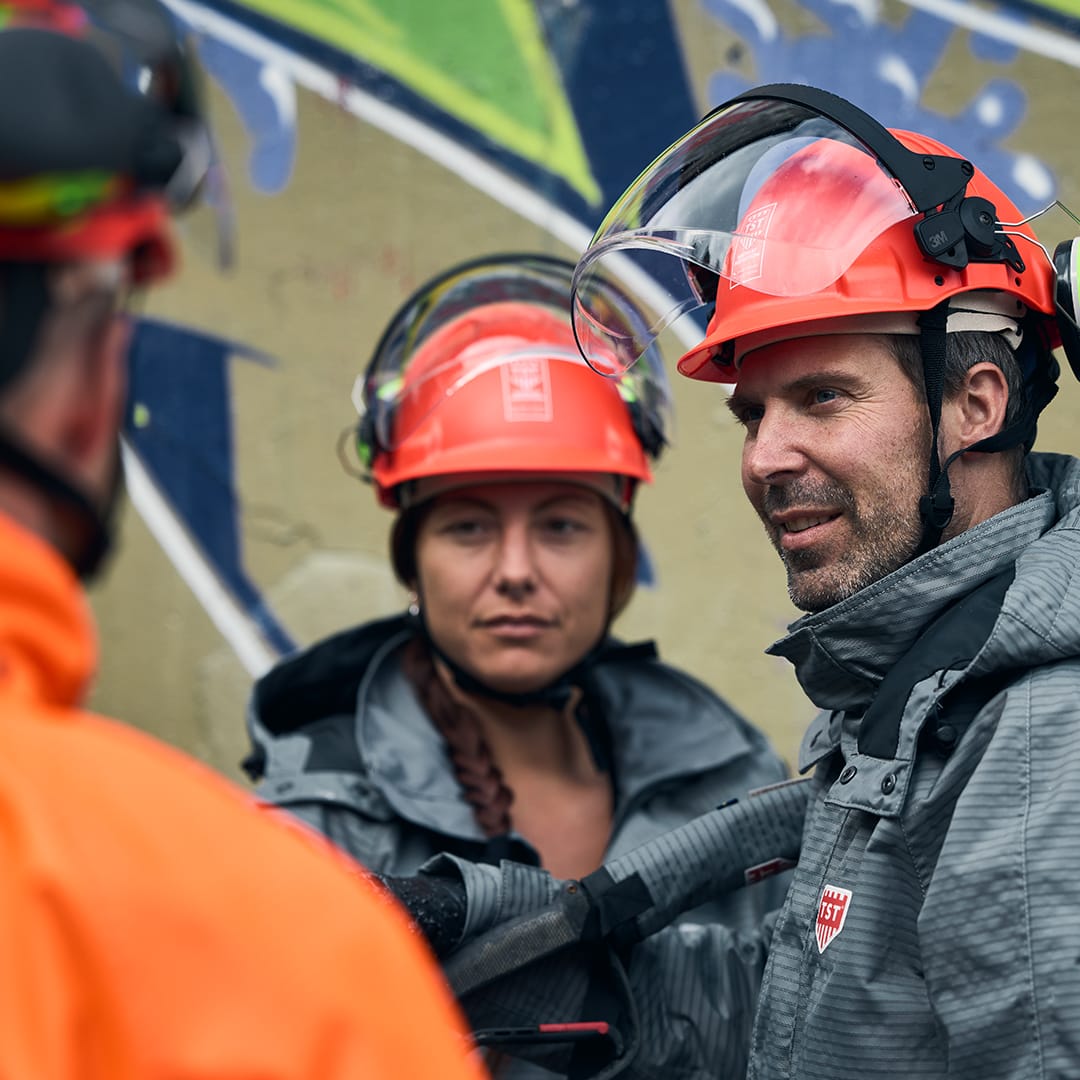 Teamwork makes the dream work, and most importantly, teamwork makes a safe workplace.
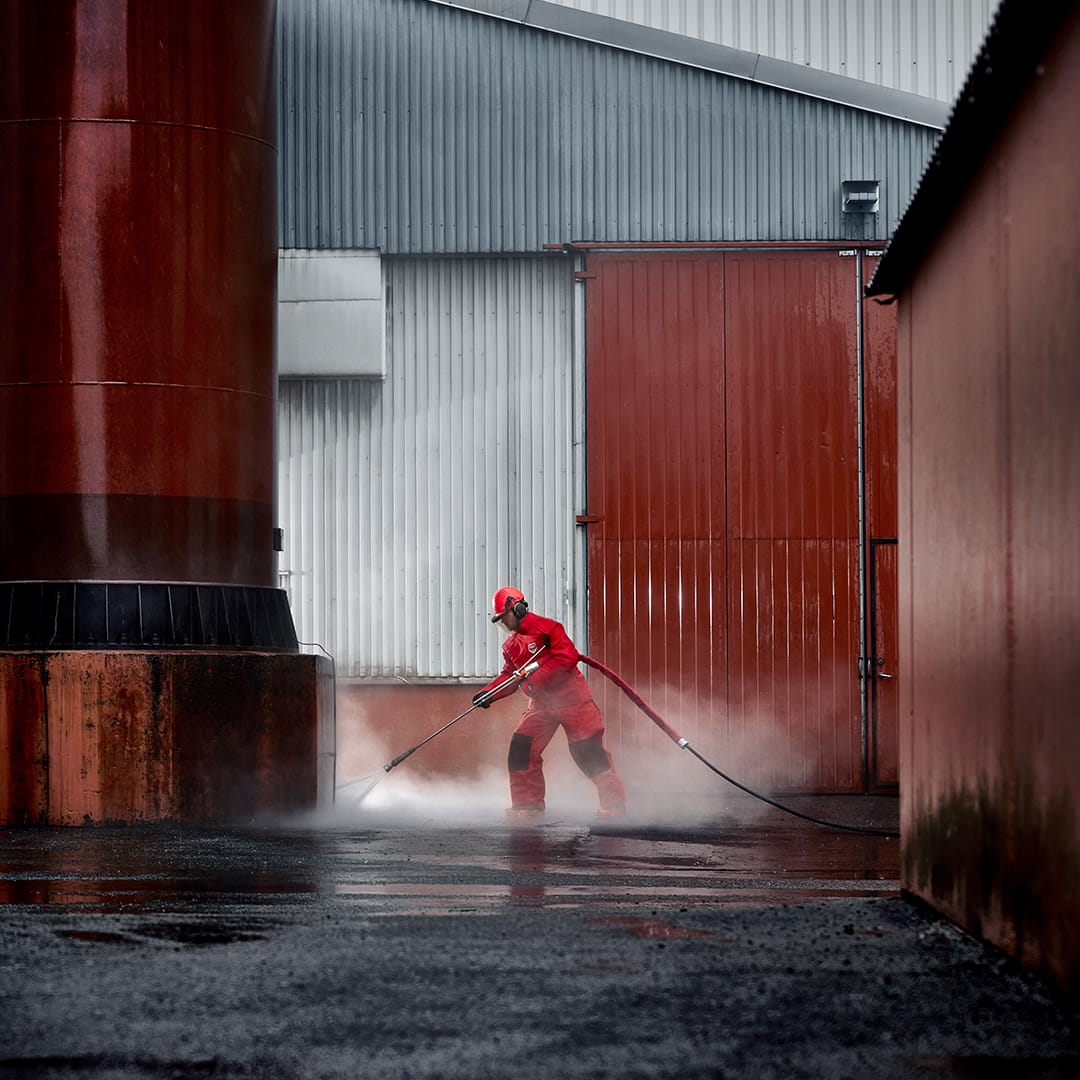 Open reporting is key to proactive safety management, remember to share observations before they become incidents.
Training holds value both for new hires as well as more experienced workers. Continued training keeps skills sharp, reinforces safe habits, and builds confidence. Both theoretical and practical education are needed, and hands-on training like simulations and scenario-based exercises is a great way to prepare if the worst were to happen. If all employees receive the right information and training, they will know exactly what to do to minimize risks, prevent injuries, and limit potential damage. But remember, in an emergency, procedures must be easy to follow, so aim for a straightforward approach.
Thorough checklists help strengthen daily safety routines by ensuring nothing is overlooked, from risk assessments to equipment inspections. Make it a natural part of each shift to review these checklists together, so the whole team is on board and knows what actions to take to minimize the risk of an accident. The goal is to integrate safety into daily work, not just as forms in a binder, but as a living practice. Encourage regular discussions, adapt routines to new situations, and make safety an active part of the team’s daily rhythm.
Accidents do happen in water jetting, and near misses can shake an entire workforce and create stress and discomfort for those affected. But rather than treating them as warnings or scare tactics, it’s important to view near misses as learning opportunities. An open reporting culture allows the whole team to learn from mistakes and prevent them from happening again. Invite open conversations where everyone, whether directly involved or not, is encouraged to share feedback. Working through scenarios together helps identify solutions that address root causes and create stronger, more comprehensive safety practices. Involving the entire team adds valuable perspectives and leads to better solutions.
“When operators are comfortable, they are much more likely to wear their protective clothing.”
Of course, no discussion on workplace safety is complete without addressing personal protective equipment. PPE serves as the final barrier if all other safeguards fail. No matter how well-prepared a team is, accidents can still happen. Operators can slip, couplings may break, and pin leaks can occur. That’s why it’s critical to ensure that all operators wear the right protection for the task and pressure at hand. Foster a work culture where PPE is always prioritized, even for the smallest task, and make protection a non-negotiable part of daily operations.
Regulations and requirements on protective clothing vary around the world, but the goal is the same: protecting people. Within the EU, PPE is mandatory for work involving pressures from 200 bar and above. In the US and many other countries, employers are legally required to protect workers from job-related hazards and injuries. Wherever you are, compliance with local laws is the baseline, and going beyond them is often what truly keeps people safe.
Several factors must be considered when deciding on the right protection.
– First, start by assessing the required water pressure, flow rate, and nozzles required for the task. Based on these parameters, determine the appropriate level of protection. If you’re deciding between two options, always opt for the one with higher protection – it’s better to be safe than sorry.
Once the protection level is established, assess which areas of the body may be exposed to the water jet, as well as the working positions of the operator. Select garments that offer suitable coverage and comfort. When operators are comfortable, they are much more likely to wear their protective clothing. Keeping them safe throughout their shift, says Peder Lindström, Market & Sales Director at TST Sweden.
Create a culture where wearing protection is as natural as starting the day with a cup of coffee. If a majority always wears protection, the rest will follow. Educate on what the consequences can be if unprotected in case of an accident, not to frighten, but to inform. Making the right decisions and wearing the correct protection is the final piece of the safety puzzle.
Ultimately, when it comes to safety, attitude is essential. Invest in training for all your employees and give it the time it needs. Set clear guidelines and make it easy for the entire team to contribute to a safe work environment. In the end, safety isn’t just about ticking boxes; it’s about turning safe behavior into a daily habit. It may seem like a big task, but it comes with the biggest payoff, because when safety becomes second nature, everyone goes home safe.
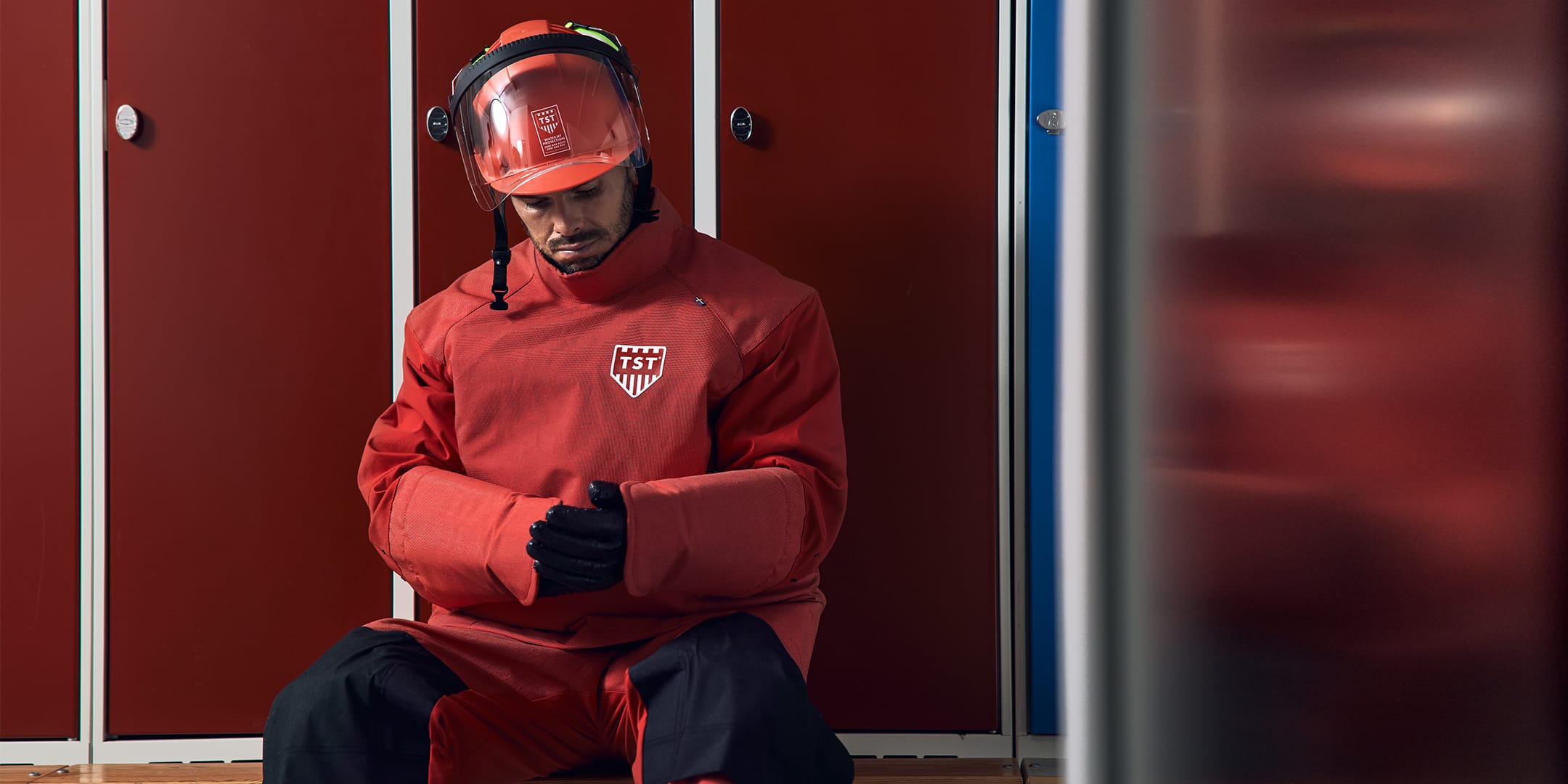 Comfort and safety go hand in hand. Choose gear that fits you – and the job.
TST Sweden article published in WJTA Jet News, reprinted with permission.